%2Ffit-in%2F250x250%2Fguide_websites%2F182802%2Fimages%2F1786512101200chatgptimageaug12202611_27_56am.png&w=1920&q=100)
/users/48b41e3a-7082-4eec-be69-cfb47938a434/ratecard/chatgptimageaug12202610_33_38am-mspjvktv.png)
%2F300x300%2Fusers%2F48b41e3a-7082-4eec-be69-cfb47938a434%2Fratecard%2Fchatgptimageaug12202610_33_38am-mspjvktv.png&w=256&q=75)
%2F300x300%2Fusers%2F48b41e3a-7082-4eec-be69-cfb47938a434%2Fimages%2Fcentralia-fishing-misty-morning-2474.png&w=256&q=75)
%2F300x300%2Fusers%2F48b41e3a-7082-4eec-be69-cfb47938a434%2Fimages%2Fcolorful-fishing-lures-centralia-wa-2609.png&w=256&q=75)
%2F300x300%2Fusers%2F48b41e3a-7082-4eec-be69-cfb47938a434%2Fimages%2Fcentralia-chinook-salmon-catch-2555.png&w=256&q=75)
%2F300x300%2Fusers%2F48b41e3a-7082-4eec-be69-cfb47938a434%2Fimages%2Fcentralia-coho-salmon-catch-2791.png&w=256&q=75)
%2F300x300%2Fusers%2F48b41e3a-7082-4eec-be69-cfb47938a434%2Fimages%2Fcentralia-chinook-salmon-catch-2571.png&w=256&q=75)
%2F300x300%2Fusers%2F48b41e3a-7082-4eec-be69-cfb47938a434%2Fimages%2Fcentralia-chinook-salmon-catch-2642.png&w=256&q=75)
%2F300x300%2Fusers%2F48b41e3a-7082-4eec-be69-cfb47938a434%2Fimages%2Fcentralia-fishing-boat-trailer-dusk-2473.png&w=256&q=75)
%2F300x300%2Fusers%2F48b41e3a-7082-4eec-be69-cfb47938a434%2Fimages%2Fcentralia-coho-salmon-catch-2709.png&w=256&q=75)
%2F300x300%2Fusers%2F48b41e3a-7082-4eec-be69-cfb47938a434%2Fimages%2Fcentralia-mountain-lake-fishing-2502.png&w=256&q=75)
%2F300x300%2Fusers%2F48b41e3a-7082-4eec-be69-cfb47938a434%2Fimages%2Ffishing-rod-green-lures-centralia-2525.png&w=256&q=75)
Extended River Run Through Scenic Washington Waters
 Centralia, WA
What you will be catching:
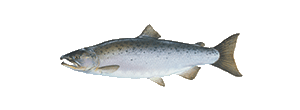
 Chinook Salmon
 Coho Salmon
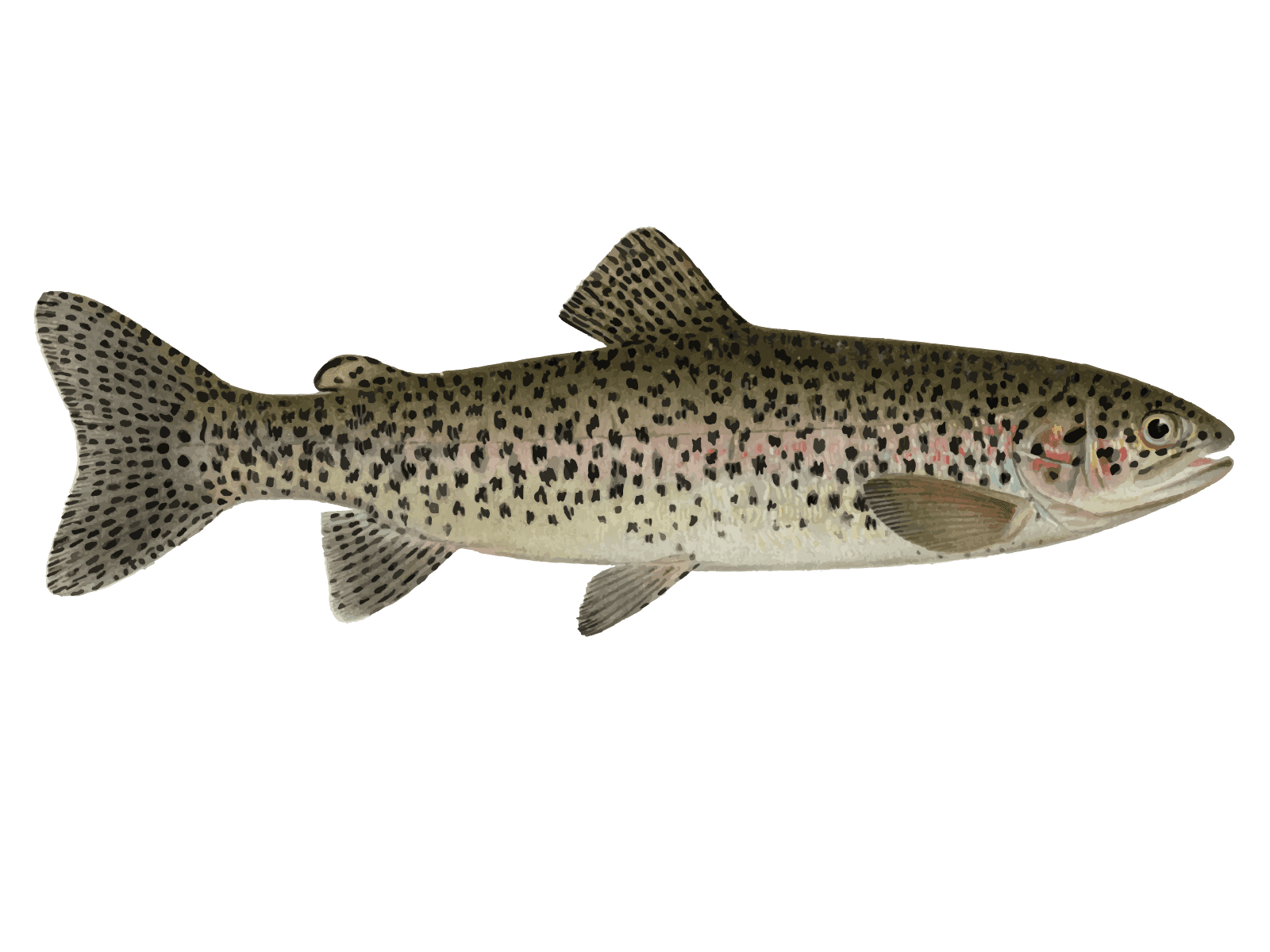
 Steelhead Trout
- Extended trips on Columbia and Chehalis Rivers with experienced guide
- Heated drift boat equipped with advanced sonar technology
- Multiple fishing techniques adapted to river conditions and fish activity
Trip Pricing and Availabilities:
Extended River Run Through Scenic Washington Waters
When you want more than just a quick trip on the water, this extended fishing adventure gives you the time to really work Washington's premier salmon and steelhead waters. Captain Nevin Steele brings 25 years of experience to the Columbia and Chehalis Rivers, knowing exactly where fish hold up and how to adjust your approach as conditions change throughout the day. You'll fish from a heated Riverwolf drift boat that keeps you comfortable even when the Pacific Northwest weather decides to remind you who's boss. With room for two anglers, this top-rated trip strikes the perfect balance between personal attention and having enough time to explore multiple productive stretches without feeling rushed.
What to Expect on the Water
This isn't your typical half-day rush job where you barely get settled before it's time to head back. The extended format means your guide can follow the fish as they move, switching spots when the bite slows or conditions shift. Some days that might mean starting with pulling plugs in the deeper holes, then moving to shallower water for float fishing when the salmon start pushing through. Other times you'll spend the morning trolling flashers and bait in the main channel, then finish the day twitching jigs in the back eddies where steelhead like to rest. The Lowrance ActiveTarget 2 sonar gives you a real-time look at what's happening below, so you're not just casting blind and hoping for the best. The heated boat is a game-changer during fall and winter runs when the fish are hot but the air temperature isn't doing you any favors. All your gear is provided - quality rods, reels, terminal tackle, and bait - so you can focus on fishing instead of wondering if you brought the right setup.
Techniques and Tackle
Captain Steele adapts his approach based on what the fish want that particular day, which is why this extended trip format works so well. You might start the morning pulling Kwikfish or Flatfish through the deeper runs where chinook like to hold, letting the boat's drift carry your plug through the strike zone at just the right speed. When coho are in the mood to chase, he'll switch to casting spoons or spinners, covering water quickly to find active schools. For steelhead, the approach often involves float fishing with eggs, beads, or small jigs, requiring more finesse and patience as you work each drift thoroughly before moving on. The trolling setup uses flashers paired with herring, anchovies, or hoochies, depending on what's working best. During certain conditions, bottom bouncing with weights and bait becomes the go-to method, especially in the deeper pools where fish stack up during low water periods. The extended time on the water means beginners get plenty of practice with different techniques instead of just sticking to one method, while experienced anglers appreciate the flexibility to really dial in their approach.
Target Species You'll Want to Hook
Chinook salmon are the kings of these waters for good reason, with fish ranging from 15 to 40+ pounds depending on the time of year and which run you're targeting. Spring chinook tend to be bright chrome and full of fight, while fall fish are starting to darken up but still pull hard. These fish love structure - submerged rocks, ledges, and deep holes where the current breaks. They're not always aggressive feeders, so presentation matters more than with other species. When you hook into a big king, expect a battle that tests both your drag system and your patience as they make long, powerful runs.
Coho salmon bring a completely different energy to the fight, jumping and tail-walking across the surface when hooked. These silver bullets typically run 8 to 15 pounds and are much more aggressive feeders than chinook, often chasing lures with reckless abandon. They school up in larger numbers, so when you find them, the action can be fast and furious. Coho respond well to bright, flashy presentations and aren't as structure-oriented as chinook, often found in mid-water columns following baitfish schools.
Steelhead are the prize many anglers consider the ultimate Pacific Northwest gamefish. These sea-run rainbow trout combine the aerial acrobatics of coho with the bulldogging power of chinook, making every hookup memorable. Summer steelhead are typically smaller but incredibly athletic, while winter fish can push 15+ pounds and fight with the determination of a fish that knows it's fighting for its life. Steelhead are notorious for following seasonal patterns, moving through specific runs and resting spots that experienced guides know intimately. They can be finicky eaters, requiring precise presentations and often testing an angler's patience before rewarding persistence with explosive takes.
Time to Book Your Spot
This extended river fishing experience gives you everything you need for a world-class day on Washington's renowned salmon and steelhead waters. The combination of Nevin Steele's quarter-century of local knowledge, quality equipment, and enough time to really work the water makes this a customer favorite among serious anglers and newcomers alike. Whether you're looking to build confidence with multiple techniques or maximize your chances at landing that trophy fish, the extended format delivers without the marathon commitment of an all-day trip. The Columbia and Chehalis Rivers offer some of the best fishing in the Pacific Northwest, and this trip puts you in the right spots with the right approach at the right time. Don't wait until the runs are over - these prime spots fill up fast during peak seasons, and the fish won't wait around for your schedule to clear up.
Learn more about the species
Chinook Salmon
Kings are the trophy fish everyone hopes for on these rivers. These bruisers typically run 12-20 pounds, though 30+ pounders show up each season. They prefer deeper holes and current seams, often hugging the bottom in 8-15 feet of water. Fall runs from September through November offer the best action when fish are fresh from the ocean. What makes them special is that raw power - once hooked, they'll strip line and test your drag like no other salmon. The meat is top-notch too, with that rich orange color perfect for the grill. Pro tip: when pulling plugs in deeper water, let them work just off the bottom where these fish cruise.
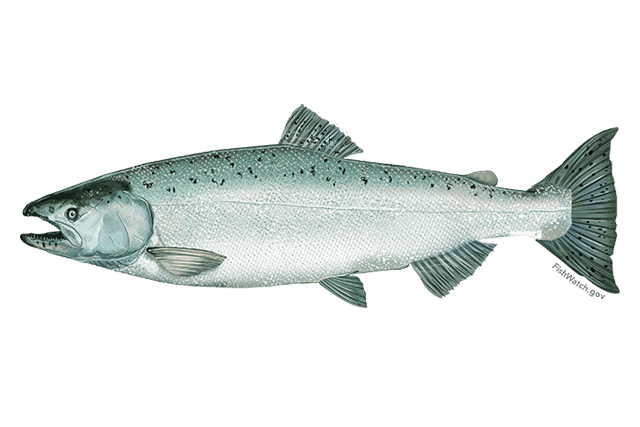
Coho Salmon
Silver salmon bring the acrobatics to our river trips. Running 8-12 pounds on average, these fish are pure energy once hooked - expect multiple jumps and long runs. They hold in slower water near cover like fallen trees or undercut banks, usually in 4-8 feet. Peak season runs late summer through fall, with September being prime time. What guests love most is their fighting spirit and those aerial shows that get everyone's heart pumping. The bright orange meat makes for great eating too. Here's a local trick: when twitching jigs in holding water, use longer pauses between twitches - cohos often hit on the drop when the jig looks wounded.
Steelhead Trout
Steelhead are the ghosts of these rivers - silver, streamlined, and incredibly challenging to hook. These sea-run rainbow trout average 24 inches but can push 35+ pounds in rare cases. Look for them in current breaks, tailouts, and deep runs with good flow, typically 6-12 feet down. Winter through early spring offers prime fishing when they're moving upstream to spawn. The fight is legendary - long runs, head shakes, and jumps that'll leave you breathless. Unlike salmon, they survive spawning and return to the ocean. My go-to method: drift fishing with small beads or jigs, keeping everything natural since these fish spook easily from any unnatural presentation.
About the Drift Boat
%2F%2Fusers%2F48b41e3a-7082-4eec-be69-cfb47938a434%2Fvehicle_picture%2F618380821_122110264335188957_3344967546686278345_n-mspis41h.jpg&w=1920&q=75)
Vehicle Guest Capacity: 2
Manufacturer Name: Yamaha
Maximum Cruising Speed: 12
Number of Engines: 1
Horsepower per Engine: 99